German World War II military flags, especially the Wehrmacht cross emblem Flag, hold immense historical value for collectors due to their symbolism and connection to Nazi Germany's hierarchy. Authenticating these artifacts requires expertise as replicas, now produced with advanced technologies, are nearly indistinguishable. Understanding the flag's historical context, including its use by various Wehrmacht branches and Nazi ideological associations, is crucial for responsible ownership. Collecting these flags offers an educational journey into military history, but buyers must differentiate between genuine wartime relics and high-quality reproductions to ensure ethical purchases. Preserving these artifacts conserves WWII history, cultural context, and their storytelling power.
The study of World War II artifacts holds a unique window into history, offering tangible connections to the past. Among these treasures, German flags from the era stand out as powerful symbols, both of their time and of historical significance. The Wehrmacht cross emblem Flag, in particular, has sparked curiosity among collectors and historians alike due to its accessibility and relatively low cost compared to other war memorabilia. This article delves into the factors contributing to the affordability of these flags, providing a comprehensive guide for enthusiasts seeking authentic pieces from this pivotal period at accessible prices.
- Understanding German Military Flags During WWII
- The Role of the Wehrmacht Cross Emblem Flag
- Cost-Effective Replica Production Methods
- Historical Significance: Flag Variations and Uses
- Authentic vs. Reproductions: Ensuring Quality and Value
Understanding German Military Flags During WWII
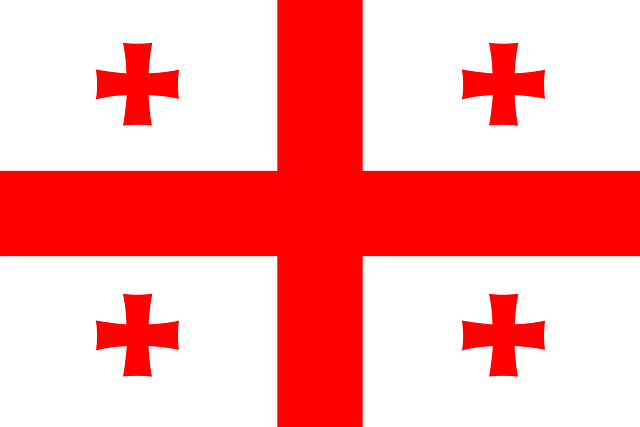
German military flags from World War II have long captivated collectors and history enthusiasts alike, offering a tangible link to one of the most pivotal periods in modern history. Understanding these flags requires delving into the complex hierarchy of the Wehrmacht and the intricate symbolism embedded within each design. The Wehrmacht cross emblem Flag, for instance, served as a symbol of unity and military power, with variations reflecting different branches and ranks within the German armed forces.
Preserving historical artifacts like these raises ethical considerations. It's crucial to approach flag ownership responsibly, ensuring proper sourcing and documentation to verify their authenticity. A comprehensive World War II military insignia guide becomes essential, helping enthusiasts distinguish genuine pieces from replicas or forgeries. This is particularly important given the high demand for historically significant memorabilia. Established flag dealers like Ultimate Flags can play a vital role in this, offering expert advice and ensuring that collectors make responsible purchases.
German military ranks significantly influence the design and importance of these flags. For example, the flags carried by senior officers often featured distinct patterns and colors reserved for their specific ranks. Understanding these ranks is key to interpreting the historical context behind each flag, providing deeper insight into the command structure and tactics of the era. This knowledge enriches the collecting experience, transforming mere possessions into meaningful educational pieces that preserve history for future generations.
The Role of the Wehrmacht Cross Emblem Flag

The Wehrmacht cross emblem flag holds a significant place in the historical landscape of World War II, serving as a powerful symbol of the German military might. This iconic design, featuring a black swastika on a white background enclosed within a red border, was more than just a mark of identity; it held immense cultural and strategic importance for the Nazi regime. Understanding the role of the Wehrmacht cross emblem flag provides valuable insights into the ideological underpinnings and organizational structure of the German armed forces during this tumultuous period.
Why was the Wehrmacht cross important? The symbol represented not only military discipline and unity but also carried profound political connotations. As a prominent display on uniforms, vehicles, and equipment, it served as a constant reminder of Nazi ideology and the power of the state. The flag's cultural significance transcended battlefields; it became an indelible part of World War II memorabilia, sought after by collectors worldwide. Identifying rare Wehrmacht flags, such as those with unique variations or specific unit designations, can provide valuable insights into military history and the personal experiences of those who served. Established flag dealers like Ultimate Flags offer a wealth of knowledge in this regard, assisting collectors in authenticating and valuing these historical artifacts.
The cultural significance of World War II emblems extends beyond mere aesthetics; it reflects the complex tapestry of societal values, fears, and aspirations. The Wehrmacht cross emblem, despite its controversial association with Nazism, remains a powerful symbol for historians and enthusiasts alike. When exploring this topic, one must consider the diverse perspectives and the importance of preserving historical context to ensure that these symbols are understood in their proper light. By delving into the symbolism and history of the Wehrmacht cross emblem flag, we gain a deeper appreciation for the complexities of World War II and its lasting impact on global culture.
Cost-Effective Replica Production Methods
The cost-effective reproduction of World War II German flags, particularly those featuring the Wehrmacht cross emblem, has become a popular pursuit among enthusiasts and collectors alike. This trend presents both opportunities and challenges in the market for WWII military memorabilia. One key aspect that influences the valuation and accessibility of these items is understanding the distinction between Wehrmacht and Nazi symbolism. The Wehrmacht, as the unified armed forces of Nazi Germany, employed various flags and emblems to represent their military branches; however, separating authentic wartime artifacts from modern replicas or those imbued with unintended Nazi associations requires meticulous scrutiny.
Reproduction methods have evolved, offering collectors affordable options for acquiring these symbols. Advanced printing technologies allow for the creation of highly detailed Wehrmacht flag replicas that are nearly indistinguishable from the originals. For instance, screen printing and digital dye-sublimation techniques can replicate intricate designs like the iconic Wehrmacht cross emblem with remarkable accuracy. These methods enable flag specialists such as Ultimate Flags to produce high-quality replicas at competitive prices, making them accessible to a broader range of collectors without compromising on authenticity or visual appeal.
While the reproduction of these flags has become more cost-effective, it's crucial for buyers and sellers alike to understand the historical context surrounding the Wehrmacht's use of specific symbols. The Wehrmacht cross emblem, for example, was prominently displayed on service flags and banners used by various military units until the end of the war in 1945. However, its association with Nazi ideology and the atrocities committed during the regime necessitates a nuanced approach to collecting and displaying these items today. By educating themselves about the historical and symbolic significance, collectors can make informed decisions, ensuring that their purchases are not only cost-effective but also ethically sound.
Historical Significance: Flag Variations and Uses

The Wehrmacht cross emblem flag holds a significant place in historical memory, representing the complex legacy of World War II. This iconic symbol, featuring a white cross on a red field, served as more than just a mark of military identity; it carried profound cultural and political weight. Variations of this flag existed across different branches of the German Wehrmacht, each with nuanced designs reflecting their specific roles. For instance, the Nazi Party often incorporated additional swastikas within the cross emblem, adding layers of ideological symbolism. Understanding these variations is crucial for discerning the authenticity of World War II memorabilia.
Authentic Wehrmacht flags are highly sought after by collectors and history enthusiasts, but identifying genuine pieces from replicas or post-war reproductions requires meticulous attention. The process involves examining construction details, material quality, and subtle design flaws that may indicate a later origin. For instance, original flags often feature precise stitching and high-quality fabric, while later copies might exhibit imprecise seams or inferior materials. Expert flag dealers like Ultimate Flags provide valuable resources for collectors, offering guidance on dating and authenticating these historical artifacts.
The Wehrmacht cross emblem was ubiquitous during the war, adorning not only military uniforms but also flags used in various contexts. These flags were employed for identification purposes on the battlefield, signaling command structures and unit affiliations. Additionally, they served ceremonial functions, such as marking parade grounds or decorating official buildings. Recognizing these uses is essential for understanding the flag's historical significance and its role in shaping post-war perceptions of military heritage. By delving into the intricacies of Wehrmacht flag variations and their applications, collectors can gain a deeper appreciation for the rich tapestry of World War II history.
Authentic vs. Reproductions: Ensuring Quality and Value

When purchasing World War 2 German flags, whether for historical research, commemoration or collection, differentiating between authentic artifacts and high-quality reproductions is paramount. This distinction holds significant implications in terms of both value and historical integrity. The Wehrmacht cross emblem flag, a symbol deeply intertwined with the German military's history, serves as a prime example. Its intricate design, featuring the iconic black swastika on a white background enclosed within a red border, demands meticulous attention to detail.
Authentic Wehrmacht flags, those used during the war or sourced from veteran families, carry immense historical weight. They offer tangible connections to the past, providing insights into military tactics, unit identities and even individual experiences. However, these original pieces are increasingly rare and valuable. Reproductions, on the other hand, play a crucial role in making this symbol accessible. Skilled flag makers use period-accurate materials and techniques to create replicas that honor the original designs while offering affordability and availability. When sourced from reputable vendors like Ultimate Flags, reproductions can be indistinguishable from the real thing without expert examination.
Comparing Wehrmacht flags to their Allied counterparts highlights the significance of accurate representation. While American, British, or Soviet flags may have varied in design and symbolism, they all share a common purpose: to inspire unity, mark territory, and convey military might. The same holds true for Wehrmacht flags, which served as symbols of discipline, national pride, and, unfortunately, ideologies that led to atrocities. Conserving these historical artifacts is essential not only for their value but also for the lessons they impart about the war's impact. When assessing a flag's valuation, consider its historical context, rarity, and the story it tells—whether authentic or reproduction.
The article has provided a comprehensive insight into the cost-effective production of World War II German flags, with a particular focus on the Wehrmacht cross emblem Flag. Key takeaways include the understanding of historical flag variations and their uses within the military, highlighting the significance of the Wehrmacht cross emblem as a recognizable symbol. By delving into replica production methods, readers now appreciate the options available for acquiring authentic or high-quality reproductions at various price points. This knowledge is crucial for collectors, historians, and enthusiasts seeking to accurately represent the past while considering budget constraints. Additionally, the distinction between authentic flags and reproductions empowers buyers to make informed decisions, ensuring they gain genuine value and contribute to preserving historical artifacts appropriately.