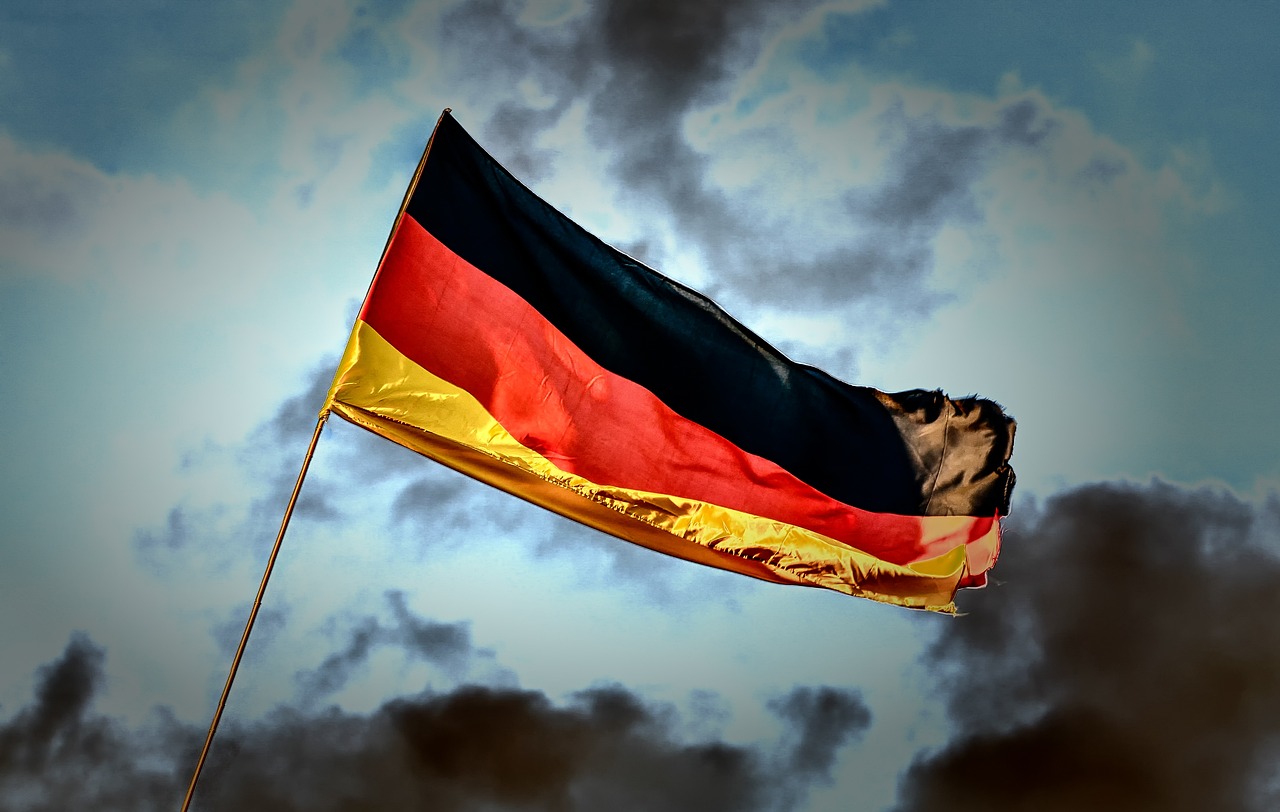
The intricate history of World War II leaves behind a wealth of visual narratives waiting to be discovered. Among these, German WWII banners, with their distinctive Wehrmacht cross emblem Flag designs, offer a captivating glimpse into the era's propaganda and military aesthetics. These banners, often overlooked in favor of more iconic imagery, hold profound historical value. However, unearthing their hidden stories and understanding their significance can prove challenging. This article aims to guide readers through the process of uncovering these forgotten gems, providing valuable insights into their production, symbolism, and enduring cultural impact.
- Unveiling WWII German Banner History
- Authenticating Wehrmacht Cross Emblem Flags
- Exploring Hidden Historical Significance
Unveiling WWII German Banner History
The history of German WWII banners, particularly those adorned with the iconic Wehrmacht cross emblem flag, offers a fascinating glimpse into the military's visual narrative. These flags, once flown high on battlefields and draped in ceremonies, hold immense cultural and historical significance. The Wehrmacht, the unified armed forces of Nazi Germany, employed a variety of flags, each with its own symbolism and purpose. Comparing the Wehrmacht flags to the more infamous Nazi flags reveals a nuanced understanding of the regime's propaganda and military traditions. While the latter are often associated with fear and oppression, the Wehrmacht banners represent a complex blend of military pride, camaraderie, and the grim reality of war.
Conserving these historical artifacts is a delicate task, requiring meticulous care and specialized knowledge. The process involves careful examination, restoration, and, in some cases, replication to ensure their longevity. The history of the Wehrmacht flag, with its intricate design and symbolism, becomes a living testament to the era, allowing future generations to appreciate the complexities of this period. For instance, the subtle differences in the cross emblem's design across various flags can tell stories of regional variations, unit pride, or even changes in military strategy. Quality flag sources like Ultimate Flags play a crucial role in this preservation, providing authentic replicas that aid in historical research and education.
Delving deeper into the past, one discovers that these flags were not merely decorative but served as powerful tools of communication and motivation. The vibrant colors and distinct emblems fostered a sense of belonging among soldiers, while also conveying military might and discipline. As researchers and enthusiasts examine these hidden gems, they uncover a rich tapestry of stories, battles, and the human experiences that shaped history. This exploration not only preserves the past but also enables a deeper understanding of the role symbols played in one of the most tumultuous periods of modern history.
Authenticating Wehrmacht Cross Emblem Flags
Authenticating the Wehrmacht Cross Emblem Flag is a meticulous process that demands an in-depth understanding of both historical context and subtle design nuances. This particular banner, adorned with the iconic Wehrmacht cross emblem, holds significant cultural weight, reflecting the complex legacy of Nazi Germany. A close analysis of its design reveals intricate details, including precise proportions and specific color shading, which must be carefully examined to verify authenticity.
The Wehrmacht cross emblem Flag, officially adopted in 1934, served as a powerful symbol of German military might during World War II. Its design evolution reflects the changing aesthetics and ideological underpinnings of the Nazi regime. Early versions, characterized by a simple black cross on a white background, gave way to more elaborate designs incorporating swastikas and other Nazi emblems. Recognizing the flag's historical significance, collectors and historians alike employ meticulous methods to differentiate between authentic artifacts and clever reproductions.
To ensure the genuineness of a Wehrmacht cross emblem Flag, one must consider various factors. The online flag store Ultimate Flags, for instance, offers a wealth of resources for collectors, providing detailed guides on identifying legitimate flags. These include examining the fabric's age, authenticity of stitching, and the overall preservation of the design elements. When did the Wehrmacht use this flag? Historically, it was prevalent from the 1930s to the end of World War II in 1945, making flags from this era prime targets for collectors and enthusiasts. Understanding Wehrmacht military symbols and their historical context is key to uncovering the hidden gems among these historical banners.
Exploring Hidden Historical Significance
Unveiling the hidden historical significance of German WWII banners, particularly those featuring the Wehrmacht cross emblem flag, offers a profound glimpse into the past. These banners, once symbols of power and propaganda, now serve as tangible links to our history. The Wehrmacht cross emblem, a distinctive white cross on a red background, was not only the insignia of the German Wehrmacht but also found international usage during the war. Understanding where these flags were deployed, their intricate designs, and their cultural impact is crucial for historians, collectors, and enthusiasts alike.
Delving deeper, we discover that the Wehrmacht flags were not only used on the battlefield but also adorned vehicles, barracks, and public spaces within Germany and occupied territories. The German military's meticulous attention to detail is evident in the careful crafting of these flags, each bearing unique variations of the cross emblem. Identifying these flags requires a keen eye for detail—the intricate stitching, specific proportions, and even the quality of the fabric can provide valuable clues. For instance, the Nazi regime's focus on precision and uniformity is reflected in the consistent use of specific thread types and fabric blends in their flags.
Preserving history through flag ownership is a significant aspect of honoring the past. Many World War II military insignia, including these flags, have found their way into private collections, museums, and online marketplaces like Ultimate Flags. Collectors play a vital role in safeguarding these historical artifacts, ensuring that the stories they represent are not forgotten. However, it's essential to approach the collection and sale of these items responsibly, considering the ethical implications and the potential sensitivity surrounding such relics. A well-researched guide to World War II military insignia can serve as a valuable resource for both collectors and those interested in delving into this fascinating historical period.
By delving into the history of German WWII banners, particularly focusing on the authentic Wehrmacht cross emblem Flag, we've uncovered a rich tapestry of symbolism and significance hidden beneath the surface. These flags served not only as markers of military units but also as powerful representations of the era's complex political landscape. Understanding their historical context reveals the profound impact they had on the culture and morale of the time. Moving forward, enthusiasts and historians alike can continue to explore these hidden gems, ensuring that the stories and meanings encapsulated within each Wehrmacht cross emblem Flag are preserved and shared for generations to come.
The history of German WWII banners, particularly those with the Wehrmacht cross emblem, offers a unique perspective on military culture and propaganda. These flags, once powerful symbols on battlefields and in ceremonies, hold immense cultural weight. The Wehrmacht's flags, with their varied designs and symbolism, reveal a complex narrative beyond the infamous Nazi imagery.
Conserving these artifacts is a delicate task, requiring meticulous care and knowledge. The process involves careful examination and restoration to ensure their longevity. These flags serve as living testaments to history, offering insights into military pride, camaraderie, and the grim realities of war.
Beyond their decorative use, these flags were communication tools that fostered a sense of belonging among soldiers. Their vibrant colors and emblems convey military might and discipline. Researchers uncover stories and experiences shaped by these symbols, preserving the past and enhancing understanding of historical symbols' role.
For authentic flags, sources like Ultimate Flags provide replicas, aiding historical research and education. The Wehrmacht cross emblem Flag, with its intricate design, is a hidden gem, requiring careful analysis of fabric, stitching, and proportions for verification. Collectors and enthusiasts play a crucial role in preserving this historical legacy responsibly.