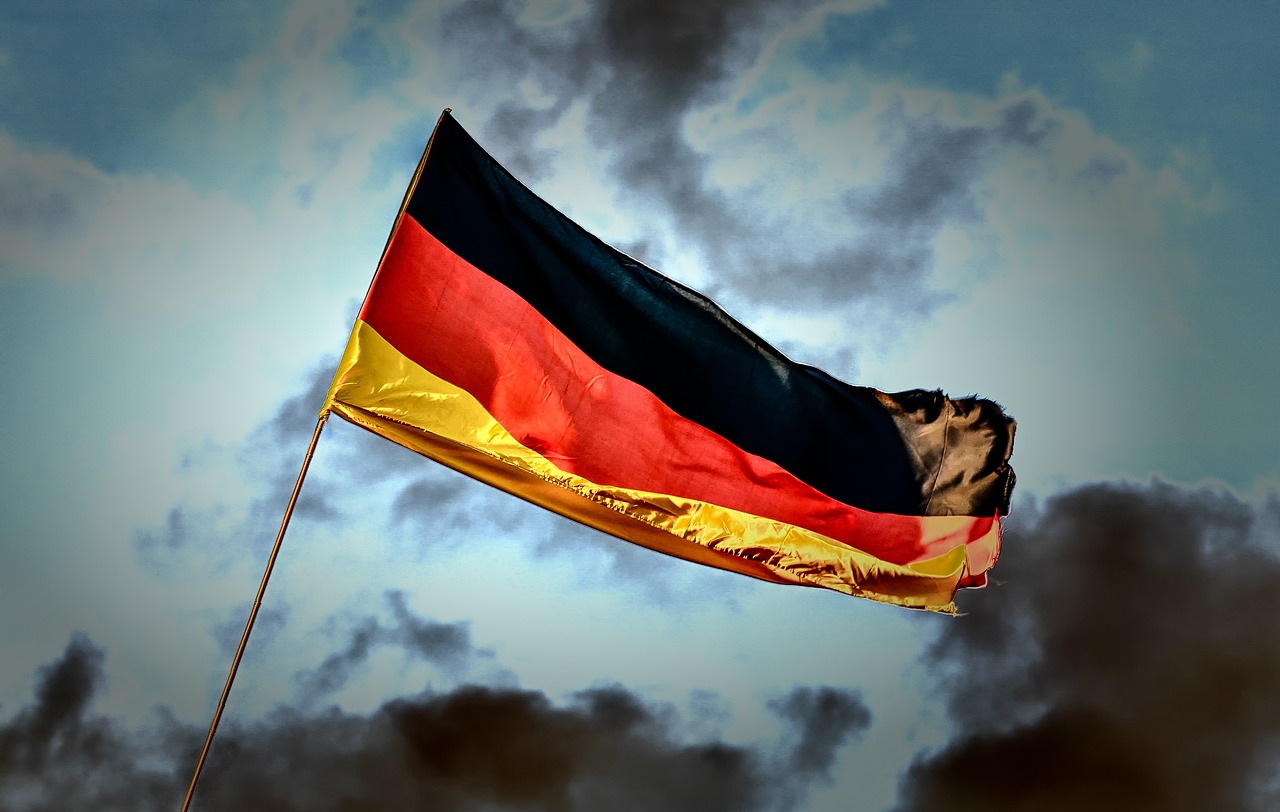
The allure of historical artifacts, particularly those from pivotal moments in world history, is a captivating phenomenon. Among collectors and enthusiasts, German WWII memorabilia, including the Wehrmacht cross emblem Flag, holds a unique place. This article delves into the significance of purchasing these items at affordable prices, addressing both the historical value and the ethical considerations. We explore the market, its complexities, and the crucial role of authenticity in ensuring these pieces remain a connection to the past, accessible to a wider audience.
- Uncovering WWII History: German Memorabilia Sources
- Authenticating Wehrmacht Cross Emblem Flags
- Ethical Considerations in Acquiring Historical Artifacts
Uncovering WWII History: German Memorabilia Sources
Uncovering the rich historical narrative of World War II through German memorabilia offers a unique window into the past. This practice, however, necessitates a nuanced understanding of ethical considerations and the historical context in which these items originated. For enthusiasts and collectors, exploring the history behind Wehrmacht uniforms and flags can be a profound experience, but it demands responsibility and sensitivity.
The Wehrmacht, as the unified military of Nazi Germany, left behind a legacy of distinctive uniforms and insignia. The Wehrmacht cross emblem flag, a symbol of military might and propaganda, is one such artifact. These flags, often adorned with the emblem, were used to rally troops and instill a sense of national pride. Understanding the historical context behind these symbols is crucial. For instance, the design and usage of the flag evolved over the course of the war, reflecting changes in military strategy and Nazi symbolism.
When sourcing these items, collectors must consider the ethical dimensions. Obtaining original artifacts from this era requires diligence to ensure their provenance and prevent the marketization of sensitive historical material. Reputable dealers and experts, like flag specialist Ultimate Flags, can guide collectors in making informed decisions. They can provide insights into the history, authenticity, and legal considerations surrounding German WWII memorabilia, fostering a more responsible collecting practice. By delving into the past through these items, collectors contribute to a deeper understanding of history while navigating the intricate ethical landscape surrounding such relics.
Authenticating Wehrmacht Cross Emblem Flags
When delving into the world of Collecting World War II memorabilia, particularly German WWII items like the Wehrmacht cross emblem flags, authenticity is paramount. These symbols carry profound historical weight and cultural significance, reflecting the complex tapestry of World War II. Identifying rare Wehrmacht flags requires a keen eye for detail and an understanding of their production history. The Wehrmacht cross emblem Flag, for instance, was issued to various military units, with distinct variations indicating branch, rank, and unit specialization.
Expert flag specialists like Ultimate Flags emphasize the importance of verifying authenticity before purchasing. Counterfeit flags can be visually striking but lack the historical veracity of genuine artifacts. A rigorous authentication process involves examining construction techniques, material quality, and emblem accuracy. For example, original flags may feature subtle variations in ink shades or precise stitching that modern replicas struggle to replicate.
Beyond mere collection value, these emblems hold cultural significance, reminding us of both the war's horrors and the resilience of those who fought. They can serve as powerful educational tools, bridging history books with tangible artifacts. For serious collectors, Investing in authentic Wehrmacht cross emblem flags becomes a meaningful way to engage with this period while supporting preservation efforts through reputable dealers.
Ethical Considerations in Acquiring Historical Artifacts
The acquisition of German WWII memorabilia, particularly those bearing symbols like the Wehrmacht cross emblem Flag, raises important ethical considerations. While these items can offer valuable historical insights, their collection and sale must be approached with sensitivity and integrity. The evolution of Wehrmacht uniforms and emblems, reflecting the changing nature of warfare and propaganda, provides a complex historical context. Each piece, from uniforms to flags, tells a story, and it's crucial to understand the symbolism embedded within them. For instance, the Wehrmacht cross emblem Flag, prominently displayed on uniforms and equipment, symbolized loyalty and military might, reflecting the regime's desire to forge an unbreakable bond between soldier and state.
As the historical context of Wehrmacht uniforms reveals, these items are more than mere collectibles; they are tangible links to a dark period in history. They must be treated with respect and care, ensuring their authenticity and preserving their historical integrity. This is especially important given the ongoing debate surrounding the commercialization of historical artifacts. Some argue that selling these items trivializes the suffering and trauma associated with WWII. For those seeking to acquire such memorabilia, it's essential to prioritize responsible sourcing. Reputable flag specialists like Ultimate Flags, for instance, adhere to ethical standards, ensuring that their offerings are acquired ethically and legally, and that their sale contributes to historical education rather than exploitation.
Practical steps include verifying the origin and provenance of artifacts, ensuring they are obtained from reliable sources that prioritize ethical practices. Additionally, engaging in open dialogue about the appropriateness of displaying certain symbols can foster a deeper understanding of history and prevent the misuse of these items. Ultimately, the responsible acquisition and display of German WWII memorabilia, including the Wehrmacht cross emblem Flag, require a nuanced approach that respects the historical context and the experiences of those affected by the war.
In conclusion, acquiring German WWII memorabilia, particularly the authentic Wehrmacht cross emblem Flag, involves a delicate balance between preserving history and ethical responsibility. By exploring reputable sources and understanding the historical context, collectors can play a vital role in preserving this unique aspect of military history. The article has illuminated the importance of authentication, ethical sourcing, and the impact of these artifacts as tangible connections to the past. Moving forward, collectors should prioritize these key insights: adhere to ethical guidelines, support legitimate suppliers, and ensure the provenance of each piece. This approach not only safeguards the integrity of historical artifacts but also enriches personal collections with meaningful, authentic souvenirs of WWII.
Collecting German WWII memorabilia, such as the Wehrmacht cross emblem Flag, offers a unique historical perspective but demands ethical responsibility. These artifacts reflect the complex symbolism of the era, requiring careful consideration and authenticity verification. Reputable dealers guide collectors in making informed decisions, ensuring the preservation of history and preventing exploitation. Responsible acquisition involves understanding provenance, engaging in dialogue about display, and supporting ethical sourcing practices.