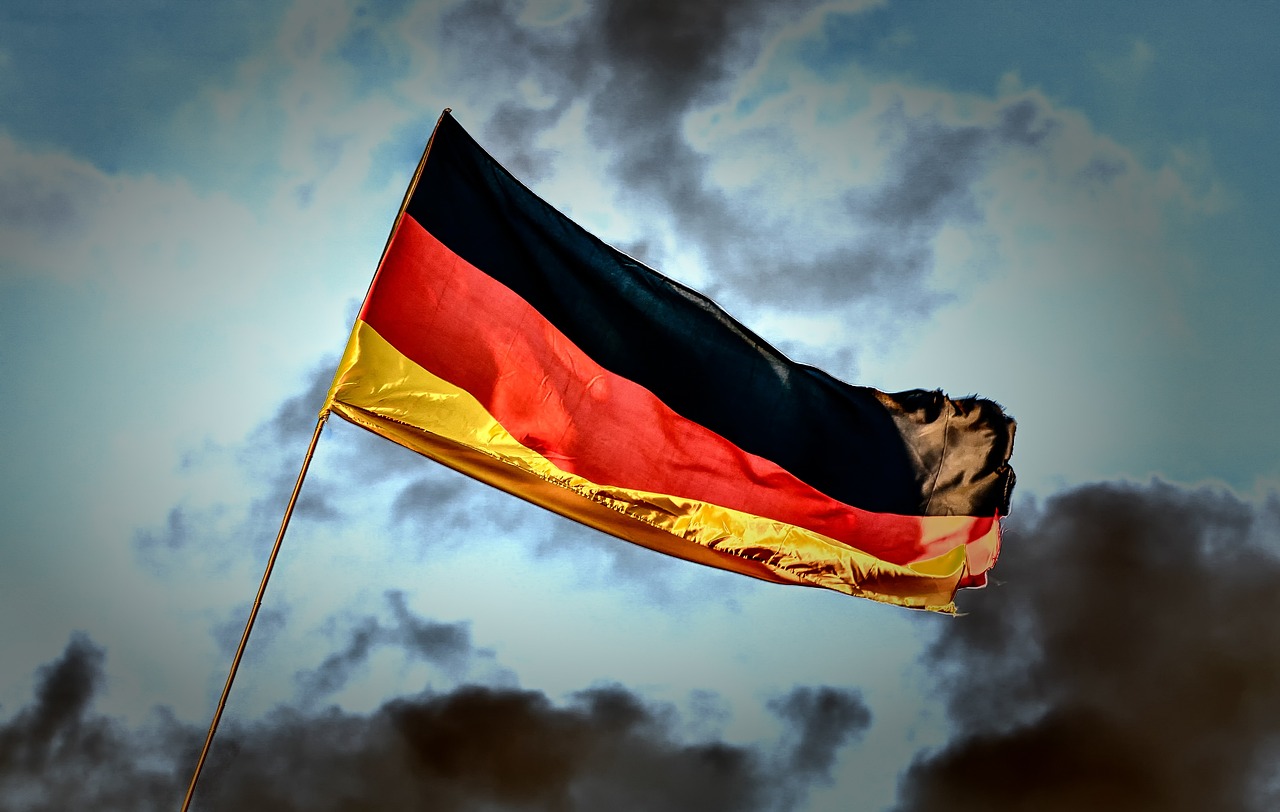
The German WWII banners, particularly the Wehrmacht cross emblem Flag, represent a rich historical narrative that has largely remained hidden from public view. These banners, once proudly displayed by the military forces of Nazi Germany, hold profound cultural and symbolic value. However, their significance has been overshadowed by the war's dark legacy. This article delves into the art of uncovering these hidden gems—a meticulous exploration of history preserved on canvas. We will dissect the symbolism, design nuances, and historical context behind these flags, shedding light on a facet of World War II that deserves recognition and preservation.
- Unveiling Rare WWII German Banners: A Historical Journey
- The Wehrmacht Cross Emblem: Symbolism and Significance
- Preserving Germany's Past: Locating Hidden Banner Collections
Unveiling Rare WWII German Banners: A Historical Journey
Unveiling rare German WWII banners offers a unique glimpse into the historical tapestry of the Wehrmacht. These visually striking flags, often featuring the iconic Wehrmacht cross emblem, tell stories of battles fought, units formed, and ideologies promoted. The sheer variety and distinct designs of these banners make them particularly fascinating for historical enthusiasts and flag experts alike. While many well-known Wehrmacht flags exist, there remain hidden gems—rare examples that shed light on lesser-documented aspects of the military's history.
Identifying these rare Wehrmacht flags involves a deep dive into the military's symbolism and the specific units they represented. The Wehrmacht cross emblem, a prominent feature on many flags, holds a symbolically rich history. Used to denote military districts, commands, and sometimes even individual units, these flags often bore the distinct cross emblem alongside other unique designs. Understanding the context in which these flags were used is crucial; the Wehrmacht employed them at various levels, from divisional command to army group headquarters, reflecting their strategic importance.
For instance, flag expert Ultimate Flags highlights a rare example of a Wehrmacht flag from the early days of the war, featuring a subtle variation of the cross emblem integrated into a complex geometric design. Such flags were likely used to foster a sense of unity and identity among the troops, serving as visual representations of their shared goals and struggles. Internationally, similar insignia were adopted by allied forces, further emphasizing the global impact and influence of these symbols. By studying these rare flags, historians and collectors alike gain invaluable insights into the Wehrmacht's organizational structure, tactical decisions, and the broader cultural landscape of the era.
The Wehrmacht Cross Emblem: Symbolism and Significance
The Wehrmacht Cross Emblem is a multifaceted symbol with profound historical significance that has long captivated enthusiasts and historians alike. This emblem, prominently featured on German military flags during World War II, serves as a powerful reminder of the era's complex legacy. Beyond its visual appeal, the intricate design carries deeper meanings rooted in German military tradition and propaganda. The cross, a universal symbol of Christianity, was overlaid with swastikas, reflecting the Nazi regime's twisted interpretation of Germanic heritage and spiritual superiority.
Restoring old Wehrmacht insignia is a meticulous process that requires careful examination of historical context and authentic design elements. Identifying rare Wehrmacht flags involves delving into archival records, consulting with military historians, and comparing original artifacts. Key differences between Wehrmacht and Nazi flags lie in subtle variations of color, emblem placement, and the absence or presence of specific symbols. For instance, while both used the swastika, the Wehrmacht employed a more understated version compared to the prominent display on Nazi banners. Engaging with reputable sources like Ultimate Flags can provide valuable insights and access to authentic replicas for collectors seeking to expand their historical tapestry.
Comparing Wehrmacht and Nazi flags offers crucial lessons in symbolism and political messaging. The juxtaposition of these symbols highlights the regime's shift from a military-focused identity to one heavily imbued with racial ideology. Understanding this evolution is essential for discerning the nuanced differences that separate mere memorabilia from significant historical artifacts. For collectors and historians, meticulously studying these banners allows for a deeper connection to the past, ensuring that the lessons learned are not merely preserved but actively remembered.
Preserving Germany's Past: Locating Hidden Banner Collections
Uncovering hidden gems of German WWII banners involves a meticulous pursuit of history, where every thread and symbol tells a story from a bygone era. The Wehrmacht cross emblem flag, once flown with pride, now holds immense historical value. However, many authentic pieces remain undiscovered or improperly valued. Preserving the past accurately requires an understanding of how to date these flags, ensuring their authenticity as World War II memorabilia.
Locating hidden collections demands a deep dive into historical archives and private estates. Experts advise examining the construction, materials, and unique design elements like stitching and fringing, which can provide crucial dating clues. The global impact of WWII symbols is evident in their collection and display today; however, it's essential to do so responsibly. Many countries have strict regulations regarding the handling of such artifacts, reflecting their sensitive historical context.
To ensure the integrity of these historical pieces, consider seeking expert advice from professionals like Ultimate Flags, who specialize in authentic memorabilia. Proper display methods, including framing and protective enclosures, can preserve these flags for future generations while paying homage to a complex chapter in world history. The global fascination with WWII memorabilia underscores our collective desire to understand and remember, making the search for hidden banners an ongoing quest to uncover and honor the past.
Unveiling rare German WWII banners offers a profound historical insight into the symbolism and significance of the Wehrmacht cross emblem. These artifacts, once hidden, serve as tangible connections to our past, reminding us of the pivotal role played by the Wehrmacht during that tumultuous era. Understanding their history and preservation is crucial for both academic research and cultural heritage conservation. By locating and appreciating these collections, we not only honor the sacrifices made but also ensure that the memories of WWII remain vibrant, providing a lasting testament to humanity's resilience and the complexities of its history. The Wehrmacht cross emblem Flag stands as a symbol of this journey, inviting us to explore, remember, and learn from the lessons of the past.
Unveiling rare German WWII banners offers a unique glimpse into the Wehrmacht's history through visually striking flags featuring the iconic cross emblem. These flags tell stories of battles, units, and ideologies, with distinct designs making them fascinating for enthusiasts. Identifying these flags involves deep dives into military symbolism and unit representation, highlighting their strategic importance. The Wehrmacht cross emblem, a universal symbol with complex history, served as a powerful reminder of the era's legacy.
Preserving these banners requires meticulous dating and authentication, ensuring their historical integrity. Locating hidden collections demands archive searches and expert advice to avoid misinformation. Responsible display methods preserve these pieces for future generations, honoring a complex past. The global fascination with WWII memorabilia underscores our desire to understand and remember history through these visual artifacts.