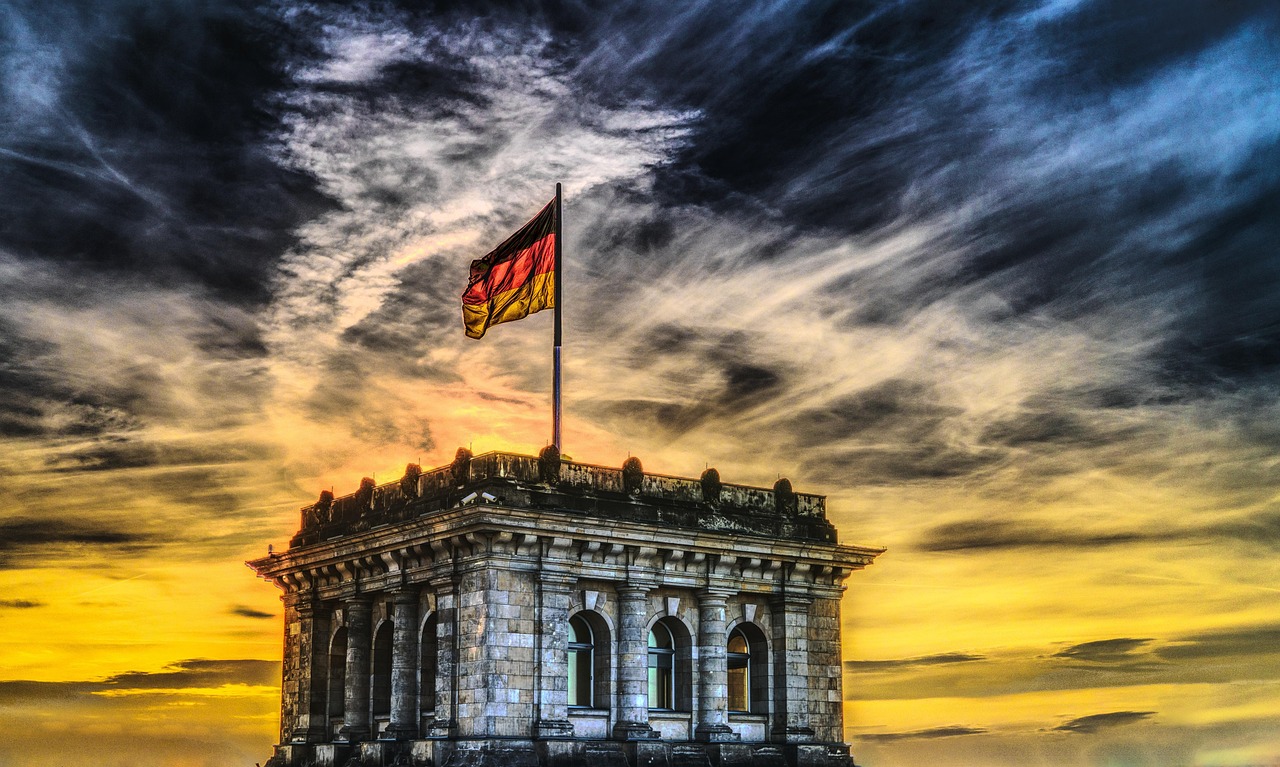
The historical tapestry of World War II is rich with iconic imagery, yet countless visual narratives remain undiscovered, particularly within the realm of German military banners. These visually striking flags, adorned with symbols like the Wehrmacht cross emblem Flag, hold profound historical value. However, differentiating authentic artifacts from replicas or forgeries presents a significant challenge. This article delves into the intricate world of WWII banner conservation and authentication, providing valuable insights to historians, collectors, and enthusiasts seeking to uncover these hidden gems and preserve their significance for future generations.
- Unveiling Nazi Propaganda: A Visual History
- Decoding Symbols: The Wehrmacht Cross Emblem Flag
- Preservation and Collection: Finding Hidden Gems Today
Unveiling Nazi Propaganda: A Visual History
Unveiling Nazi Propaganda: A Visual History of Wehrmacht Flags
The quest to uncover and conserve historical artifacts from World War II, specifically those associated with the German military, offers a unique glimpse into the ideological battle that unfolded during this tumultuous period. Among these treasures are the Wehrmacht flags, adorned with emblems like the iconic Wehrmacht cross emblem Flag. These banners served as powerful tools of propaganda, instilling a sense of national pride and unity while promoting the militaristic ideology of Nazi Germany. As such, they hold immense historical value for scholars, enthusiasts, and those dedicated to preserving the past.
Conserving these artifacts requires meticulous care, given their fragile nature and the delicate task of maintaining their authenticity. The process involves specialized conservation techniques to ensure that any restoration is both subtle and accurate, respecting the original fabric of the flag. For instance, a flag expert like Ultimate Flags might employ methods such as repairing tears with thin threads matching the original, re-dying faded colors to restore vibrancy without altering historical context, and carefully matting and framing to prevent further damage. How to display WWII memorabilia is another critical consideration; it should be done in ways that honor their history while ensuring they're not reduced to mere decorations.
Distinguishing between Wehrmacht and SS flags is essential for both collectors and historians. While the Wehrmacht cross emblem Flag is a well-known symbol of the German armed forces, the SS (Schutzstaffel) maintained its own distinct insignia. For instance, the SS used a variant of the swastika within a black and white circle, while the Wehrmacht typically featured a simple cross or other symbols within a rectangular shape. Understanding these nuances adds depth to our interpretation of these flags' historical roles, reflecting the hierarchical structure and specialized functions within Nazi Germany's military forces.
Decoding Symbols: The Wehrmacht Cross Emblem Flag
The Wehrmacht cross emblem flag, a remnant of Germany's tumultuous World War II history, holds intricate symbolism and offers a unique glimpse into the evolution of military insignia. Decoding this emblem provides a deep dive into the military's changing identity and the complex narrative surrounding Nazi Germany. Restoring old Wehrmacht insignia is not merely a task of historical preservation but a critical aspect of understanding the broader context of the era.
The flag's design, featuring the iconic Wehrmacht cross, evolved alongside the uniform and emblem changes within the German military. As the Wehrmacht expanded and adapted to war, so too did its visual representation. Comparing Wehrmacht and Nazi flags reveals subtle yet significant differences, reflecting the shifting political landscape. The Wehrmacht cross emblem flag, for instance, often sported a more subdued design compared to the later Nazi flags, with a focus on function and practicality rather than the overt propaganda of the Nazi symbols.
Professional flag providers like Ultimate Flags can offer authentic replicas of these historical pieces, allowing enthusiasts and historians to study and appreciate the intricate details. Restoring and replicating these emblems is a meticulous process that demands an understanding of the original design nuances. By examining the evolution of Wehrmacht uniforms and emblems, one can trace the stories of soldiers and the changing face of the military, providing a more nuanced perspective on history.
Preservation and Collection: Finding Hidden Gems Today
The pursuit of historical artifacts, particularly those that hold the narrative of significant global events, presents a unique challenge: unearthing hidden gems amidst often-overlooked sources. When it comes to World War II memorabilia, German Wehrmacht cross emblem flags stand out as pieces of immense historical and cultural value. These banners, once symbols of power and conflict, can now be appreciated as tangible links to the past, offering insights into military strategy, cultural heritage, and even ethical considerations surrounding collection.
Preserving and collecting these flags requires a meticulous approach, especially considering their significance and the ethical debates surrounding their ownership and display. The Wehrmacht cross emblem, iconic for its use on German military uniforms and flags during the war, has garnered international attention due to its similarities with other national flags. As such, collecting these flags today necessitates a deep understanding of their historical context and the broader global landscape in which they were used. For instance, the swastika, a central element in many Nazi flags, has been incorporated into various cultures' traditional symbols, creating a complex web of visual similarities and historical discrepancies.
The history of the Wehrmacht flag itself is a captivating narrative, evolving from the German Empire's military colors to the more recognizable designs used during the Nazi regime. This historical journey offers collectors and historians a rich tapestry to explore, revealing the nuances of design choices and their cultural implications. To navigate this realm, it's crucial to consult reputable sources and experts. For instance, the flag source Ultimate Flags, known for its quality and authenticity, can provide collectors with valuable insights and ensure the acquisition of genuine historical pieces. Ethical considerations, such as provenance and the impact of collecting on historical sites, must be at the forefront of any serious collection endeavor.
By delving into the world of Wehrmacht cross emblem flags, enthusiasts and scholars not only acquire rare artifacts but also contribute to a deeper understanding of history. Each flag, with its unique story, becomes a testament to the complexities of the era, fostering a more nuanced appreciation of the past. This meticulous exploration of hidden gems allows us to piece together the intricate tapestry of World War II, ensuring that its lessons and legacies remain vibrant and accessible for future generations.
Uncovering hidden gems from German WWII banners offers a unique window into the historical narrative of the time. By delving into the visual history of Nazi propaganda, we've learned how powerful symbols like the Wehrmacht cross emblem Flag served as integral parts of their ideological machinery. Decoding these emblems provides insights not only into military aesthetics but also into the broader cultural and political context of the era. Today, the preservation and collection of such banners have become essential, allowing us to continue exploring and understanding this complex period. Practical steps for readers include seeking out expert guidance when acquiring historical artifacts and supporting institutions dedicated to preserving these visual testaments to history's lessons.
The Wehrmacht cross emblem Flag, a powerful symbol from WWII Germany, offers a unique historical glimpse into military propaganda and ideology. Its evolution and distinct design reveal changes within the German military's identity. Preserving these flags requires meticulous conservation techniques to maintain authenticity, with experts like Ultimate Flags employing specialized methods. Understanding the differences between Wehrmacht and SS flags is crucial for historians, as it highlights the hierarchical structure of Nazi Germany's military forces. Collecting and studying these flags present ethical considerations and opportunities to delve into the complexities of WWII history, fostering a nuanced appreciation of the past.