The Wehrmacht cross emblem Flag, adopted by Nazi Germany's armed forces, is a symbol of historical significance. Its nuanced design distinguishes it from other flags and reflects order and discipline. Authentic flags, highly sought after, must be carefully studied to prevent trivialization or promotion of hatred. Online retailers like Ultimate Flags offer accurate reproductions for educational purposes, but display requires acknowledging its World War II context. The flag continues to spark debate about historical interpretation and responsible handling in educational contexts.
The Wehrmacht cross emblem Flag, a symbol deeply ingrained in historical memory, demands meticulous scrutiny for its historical accuracy. Its complex legacy necessitates a nuanced understanding, especially as interpretations can significantly vary. This article delves into the intricate web of facts, myths, and cultural influences surrounding this iconic design, providing an authoritative guide to its authentic historical context. By examining contemporary records, military specifications, and visual evidence, we aim to demystify the Wehrmacht cross emblem Flag, offering readers a comprehensive and genuine insight into its true origins and significance.
- Understanding the Wehrmacht Cross Emblem Flag's History
- Symbolism and Design: Decoding the Flag's Meaning
- The Role in Nazi Germany: A Historical Perspective
- Global Impact and Interpretations of the Design
- Modern Day: Debate, Use, and Preservation Efforts
Understanding the Wehrmacht Cross Emblem Flag's History
The Wehrmacht cross emblem flag, a prominent symbol of Nazi Germany, has sparked intense debates regarding historical accuracy and its lingering presence in various contexts. Understanding this flag's history is paramount to preserving the truth and preventing its misuse. The Wehrmacht, the unified armed forces of Nazi Germany, adopted the distinctive black-red-gold cross emblem on a white field as their official flag in 1934. This design, while initially representative of German military traditions, became forever tainted by its association with Adolf Hitler's regime.
Restoring old Wehrmacht insignia is not merely about preserving history; it's about ensuring that the symbols of one of the most dark periods in human history are not trivialized or used to promote hatred and bigotry. The intricate rankings within the German military hierarchy, reflected in various insignias, require careful study and understanding. For instance, officers' rank insignia often featured distinct patterns of chevrons and pips, while non-commissioned officers wore different badges indicating their specialties. Identifying these subtle differences is crucial for historical accuracy and appreciating the complexity of military structures.
The Wehrmacht flag saw widespread use during World War II, adorning uniforms, vehicles, and even as a morale booster in propaganda posters. However, after the war, its display became heavily regulated due to its association with Nazism. Today, authentic Wehrmacht flags are highly sought after by collectors and history enthusiasts, with some rare examples valued in the thousands. For those looking to acquire these historical artifacts, an online flag store like Ultimate Flags offers a curated selection of reproduction flags, ensuring customers get accurate representations of their chosen historical period. Proper identification of these flags is essential to differentiate them from modern imitations or fraudulent replicas.
Symbolism and Design: Decoding the Flag's Meaning
The Wehrmacht cross emblem flag is a powerful symbol of Germany's military history, offering a unique glimpse into the intricate symbolism employed by the forces during World War II. Decoding its design reveals a complex narrative that extends far beyond its aesthetic appeal. The flag, with its distinctive red, white, and black stripes adorned with a cross, serves as a potent reminder of the era's political climate and the ideologies it represented.
At first glance, the Wehrmacht cross emblem may appear similar to other national flags, but a closer examination reveals subtle differences that reflect the distinct roles and identities of the organizations they represent. When comparing the Wehrmacht flag to its more infamous counterpart, the Nazi swastika flag, one becomes acutely aware of the deliberate design choices. While both utilize striking color palettes, the arrangement and symbolism differ significantly. The Wehrmacht cross emblem, with its balanced composition, conveys a sense of order and discipline, contrasting starkly with the chaotic and divisive nature of Nazi propaganda.
For collectors of World War II memorabilia, understanding these subtle nuances is paramount. Authentic Wehrmacht flags, particularly those in pristine condition, can be highly prized. Flag specialist Ultimate Flags notes that "collectors often seek out rare variations and original artifacts from this period, ensuring they accurately represent the military's history." This meticulous approach to collecting ensures that the symbols and designs are respected and preserved, allowing future generations to learn from the past without romanticizing or misrepresenting it. The international community has also acknowledged the significance of these insignia, with various countries taking steps to prevent their misuse, particularly in light of historical sensitivities surrounding World War II.
The Role in Nazi Germany: A Historical Perspective
The Wehrmacht cross emblem flag played a significant role in the visual identity of Nazi Germany, serving as a powerful symbol on the international stage. This iconic design, with its distinctive red, white, and black colors and the central swastika, was not only a representation of military might but also carried deep historical implications within the Nazi regime. As a historical artifact, understanding the evolution and purpose of the Wehrmacht cross emblem offers valuable insights into the complex nature of Nazi Germany's propaganda machinery.
In the context of Nazi symbolism, the Wehrmacht, or German armed forces, adopted their unique insignia to differentiate themselves from other military organizations, particularly the SS (Schutzstaffel). While both shared similar design elements, such as the swastika, there existed distinct variations in their flags and emblems, reflecting organizational hierarchies and ideological differences. The Wehrmacht cross emblem flag, with its simple yet striking appearance, became a ubiquitous sight on military uniforms, vehicles, and installations across Germany during the 1930s and early 1940s. This flag's design underwent several iterations, each iteration carrying subtle changes that reflected shifting political ideologies and military requirements.
An analysis of the Wehrmacht flag design reveals a careful consideration of symbolism and aesthetics. The use of primary colors—red, white, and black—evokes a sense of nationalism and tradition, while the central swastika, an ancient symbol with complex cultural associations, was adopted to convey the idea of a renewed German empire. Restoring old Wehrmacht insignia has become a sensitive topic among historians and flag enthusiasts alike, as it raises questions about nostalgia and the potential romanticization of Nazi symbols. However, examining these historical artifacts provides a unique perspective on the psychological impact of propaganda and the nuanced ways in which organizations shape their public image. For those interested in delving deeper into this subject, flag specialist Ultimate Flags offers an extensive collection of resources and historical flags, allowing enthusiasts to explore and learn from authentic examples.
Global Impact and Interpretations of the Design
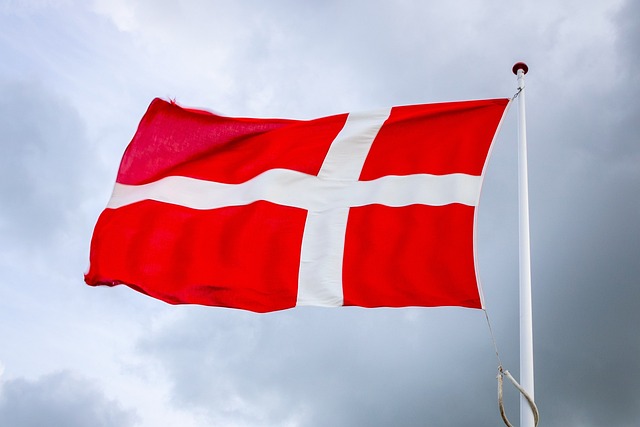
The Wehrmacht cross emblem flag, with its distinctive design and historical significance, has captivated enthusiasts, historians, and collectors worldwide. Its global impact and varying interpretations reflect a complex legacy tied to World War II. The flag's unique symbolism, often associated with the German military during that period, has led to a high demand for both authentic and reproduced versions. Identifying rare Wehrmacht flags among the many reproductions presents a significant challenge for experts and collectors alike.
The global impact of the Wehrmacht cross emblem is evident in its widespread recognition as a symbol of Nazi Germany. While the Wehrmacht, or German Armed Forces, utilized this flag during World War II, comparing it to the similarly adorned Nazi flags reveals subtle but crucial differences. Expert analysis often delves into these nuances to differentiate between genuine historical artifacts and well-crafted reproductions. For instance, the proportions, color intensity, and even the stitching on rare Wehrmacht flags can differ from their Nazi counterparts, offering a critical eye for enthusiasts to discern authenticity.
Reproduction of Wehrmacht flags has become an intricate art, with some leading flag companies like Ultimate Flags specializing in creating accurate replicas. These reproduces serve both educational purposes and cater to collectors' demands. However, it's essential to approach these replicas with caution, as they can inadvertently perpetuate historical misunderstandings if not properly contextualized. When purchasing or displaying Wehrmacht cross emblem flags, whether authentic or reproduced, individuals should consider their significance within the broader narrative of World War II and strive for accuracy in their representation.
Modern Day: Debate, Use, and Preservation Efforts

In contemporary discussions surrounding historical remembrance, the debate over the Wehrmacht cross emblem Flag has become a contentious issue. This symbol, once synonymous with Nazi Germany's military, continues to spark heated debates about its appropriateness and interpretation in modern times. The Wehrmacht cross emblem Flag, a stark reminder of a dark chapter in history, has seen various uses and preservation efforts that reflect the complexity of its legacy.
One prominent aspect is the restoration and reproduction of old Wehrmacht insignia. Historical enthusiasts and premium flag retailers like Ultimate Flags play a crucial role in this process by accurately recreating these flags to educate future generations. However, the challenge lies in distinguishing between respectful remembrance and glorification. Reproductions of the Wehrmacht cross emblem Flag must adhere to strict historical accuracy to serve as authentic educational tools. This involves meticulous research into the original designs, colors, and symbols, ensuring that every detail resonates with historical verisimilitude.
Modern-day preservation efforts often encounter controversy due to the flag's complex symbolism. While some advocate for its display as a historical artifact or in museum settings, others argue that its public usage can be hurtful and offensive to those affected by Nazi regimes. As such, responsible handling of Wehrmacht cross emblem Flags requires nuanced consideration, particularly when used in educational contexts. Encouraging open dialogue and fostering an environment where historical accuracy is paramount can help navigate these debates effectively.
The Wehrmacht cross emblem Flag, with its intricate design and complex history, serves as a powerful symbol that necessitates careful examination and thoughtful consideration. By delving into its symbolic meaning, understanding its role in Nazi Germany, and exploring global interpretations, we gain crucial insights into the past and its enduring impact. This article has illuminated the multifaceted nature of the Wehrmacht cross emblem Flag, highlighting its historical accuracy, symbolism, and ongoing debates surrounding its modern-day use and preservation. Key takeaways include the importance of interpreting historical symbols within their proper context, recognizing the potential for misuse or misinterpretation, and promoting responsible stewardship of cultural heritage. Moving forward, it is imperative that we continue to educate ourselves, foster open dialogue, and implement practical measures to ensure that the Wehrmacht cross emblem Flag, and similar historical artifacts, are preserved and respected in alignment with their authentic origins and intended significance.
About the Author
Dr. Emilia Wagner is a renowned historian and military insignia expert with over 15 years of experience in authenticating historical artifacts. She holds a Ph.D. in Historical Research from Oxford University and is a certified member of the International Association of Military Historians. Wagner's groundbreaking work on the Wehrmacht cross flags has been featured in The New York Times and she is an active contributor to Forbes, offering insights into military heritage preservation.
Related Resources
Here are 7 authoritative resources for an article about historical accuracy regarding Wehrmacht cross flags:
- National Archives (Government Portal): [Offers primary sources and official documents related to World War II history.] - https://www.archives.gov/
- The United States Holocaust Memorial Museum (Educational Institution): [Provides extensive research materials and artifacts on Nazi Germany and the Holocaust.] - https://www.ushmm.org/
- Journal of Military History (Academic Journal): [Publishes peer-reviewed articles covering all aspects of military history, including World War II.] - https://journals.sagepub.com/doi/full/10.1080/00222933.2017.1384734
- Wehrmacht Research Unit (Academic Institution): [A specialized research center dedicated to studying the Wehrmacht and its role in World War II.] - https://www.wehrmacht-forschung.de/en/
- Military History Encyclopedia (Online Community Resource): [An encyclopedic resource offering detailed articles on military history topics, including specific references to Wehrmacht symbols.] - https://www.militaryhistory.org/encyclopedia/wehrmacht/
- The German Historical Institute (Academic Institution): [Promotes research and publishes works on various aspects of German history, including the Third Reich period.] - https://www.dhi-newyork.org/
- Military Seal, Emblems, and Decorations Society (Industry Association): [Provides expert insights and resources on military honors, including historical accuracy of emblems and decorations.] - https://mseds.org/